
Truffle Economics: Transforming Culinary Luxury into Commercial Restaurant Profit
Integrating fresh wild truffles into a hospitality menu is one of the fastest methods to elevate culinary prestige and brand equity. However, because truffles are among the highest-cost commodities on global culinary markets, poor inventory execution can quickly dissolve kitchen profit margins. Smart culinary directors and restaurateurs recognize that success relies not merely on culinary artistry, but on strict biochemical portion management and calculated pricing psychology. Designing a sustainable truffle program transforms expensive raw ingredients into consistent, highly lucrative dining experiences that thrill upscale clienteles.
Strategic Portion Precision and The Power of Table-Side Service
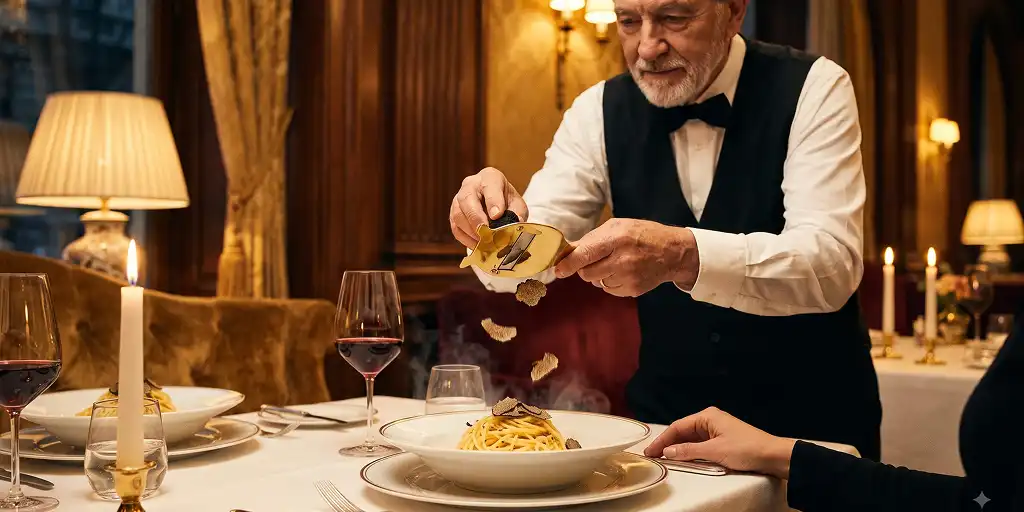
The golden secret to maximizing truffle profitability rests on the theatrical psychology of table-side shaving. Rather than shaving delicate fungi behind closed kitchen doors, servers should present fresh tubers inside dedicated glass bell jars, shaving exact grams directly over steaming dishes in front of guests using micro-calibrated slicers. This interactive service turns dinner into a multi-sensory event, justifying a premium price tag while keeping physical usage minimal—typically three to five grams per serving. The visual theatre elevates perceived luxury while eliminating unauthorized kitchen waste.
Cross-Utilization of Off-Cuts, Peelings, and Truffle Infusions
A profitable kitchen maintains an absolute zero-waste policy toward luxury subterranean fungi. Outer peelings, irregular edges, and smaller broken nodes must never be discarded. These trimmings should immediately be integrated into clarified finishing butter, pure salt infusions, or house-made truffle pasta doughs. Additionally, storing fresh whole tubers alongside arborio rice or fresh farm eggs pre-flavors adjacent staple items without diminishing the truffle mass itself. Every gram of volatile perfume is systematically captured and monetized across multiple menu tiers, drastically lowering baseline food costs.
Balancing Fresh Seasonal Tubers with Premium Preserved Formats
While discerning connoisseurs demand freshly harvested wild truffles during peak autumn months, forward-thinking dining establishments balance live inventory with premium preserved alternatives for continuous menu stability. Incorporating authentic truffle carpaccio slices or certified natural truffle extra virgin oils allows restaurants to offer signature truffle dishes year-round without risking volatile market fluctuations or spoilage during slow mid-week service. This hybrid approach guarantees consistent flavor delivery, predictable plate costs, and healthy margins throughout all seasons.